History
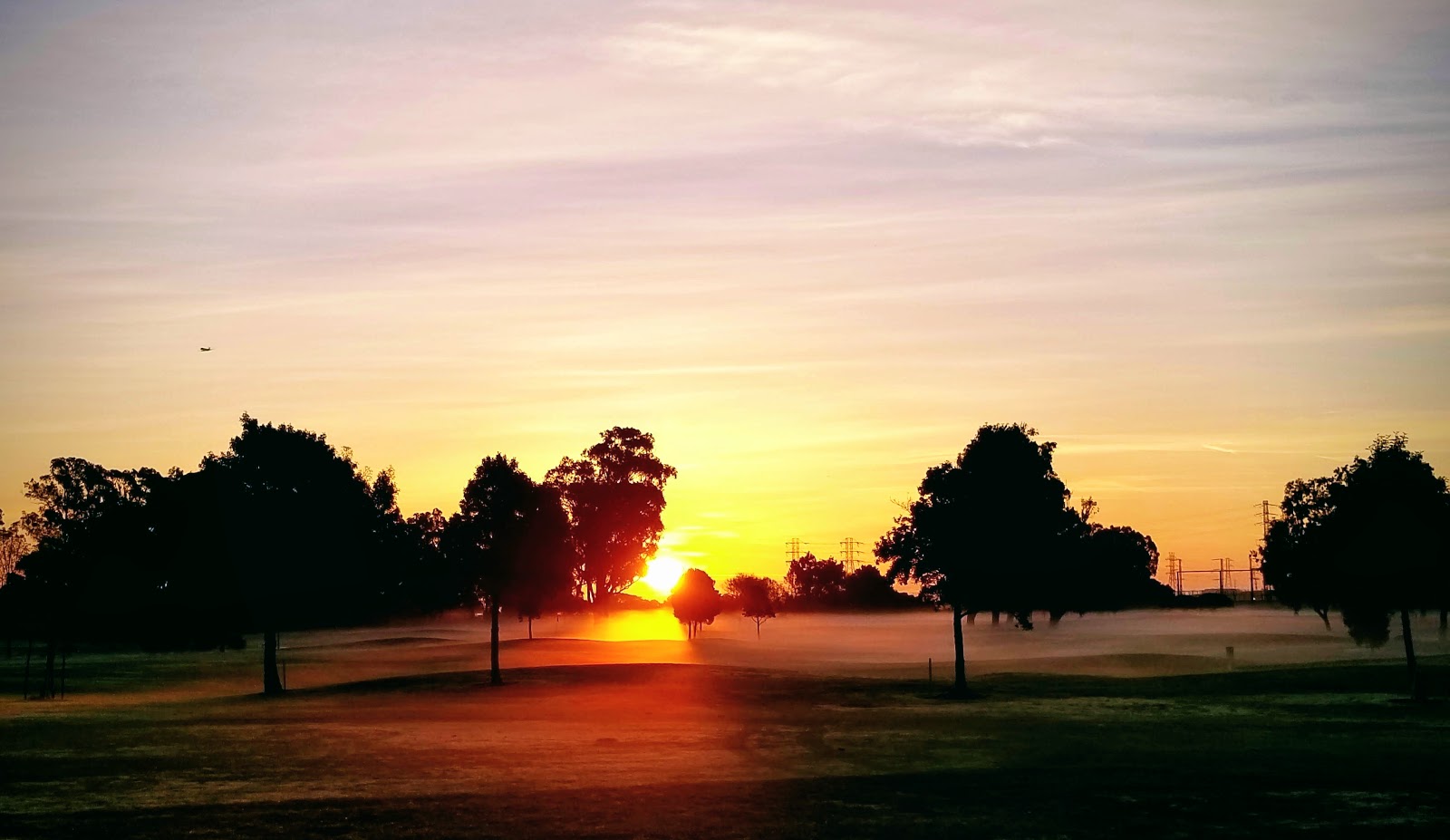
Poplar Creek's roots reach back to the depths of the Great Depression, when San Mateo built an 18-hole municipal course in 1933 as a public works project to put people to work and give the community a place to gather and play. For decades it was the city's muni by the Bay—often simply "the Coyote Point golf course" to locals—set at the edge of Coyote Point Recreation Area.
Coyote Point itself carries a far older story. Once part of Spanish Presidio and Mission lands, it became Rancho San Mateo under a Mexican land grant before passing to the Howard family in the 19th century, who reclaimed the marsh that would later host today's fairways. Through the 20th century the headland served as an amusement park site, a World War II Merchant Marine training school, and then a county park—now the eucalyptus-crowned neighbor to Poplar Creek, with the course tucked just inland from the marina and Bay shoreline.
By the 1990s, the city committed to a full transformation. The course closed in April 1999 for a complete renovation, addressing drainage and routing and investing roughly $12 million to modernize the layout. In July 2000, it reopened with a new look, new energy, and a new name—Poplar Creek—christened for the trees and the waterway that wind through the property. The relaunch was an immediate hit with Bay Area golfers and marked the beginning of the course's contemporary era.
Today, playing Poplar Creek means walking living history: a muni born of resilience in 1933, reshaped at the turn of the millennium, and framed by one of the Peninsula's most storied landscapes at Coyote Point. From the first tee you can feel the lineage—the poplars, the creek, the Bay breezes—and see why this San Mateo classic endures.